
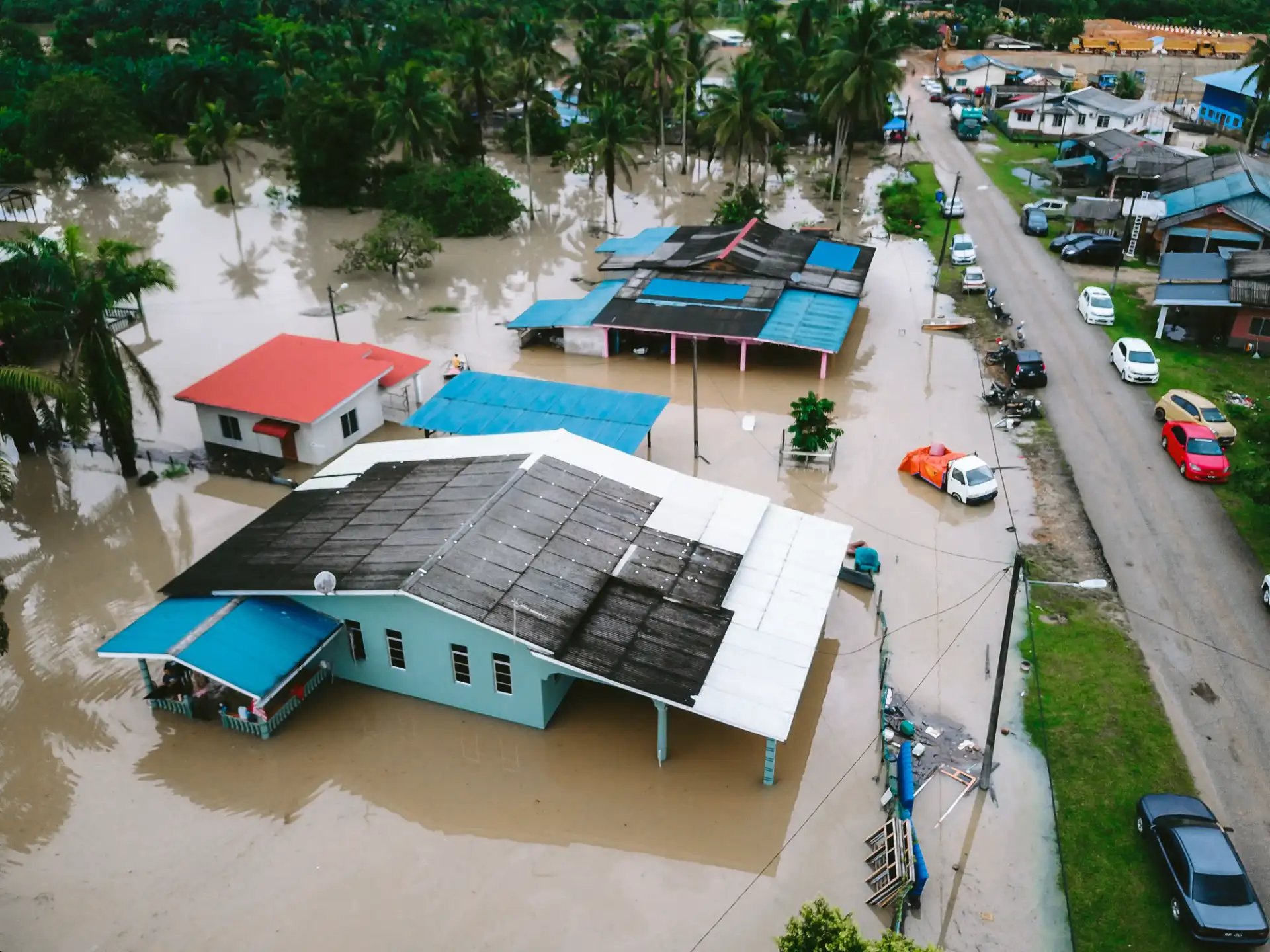
Two homes in Fort Myers can have similar prices, attractive locations, and completely different flood risks. Understanding Fort Myers flood zones before buying can help you avoid unexpected insurance expenses, repair costs, and property-related surprises.
Flooding is an important consideration in Southwest Florida, especially near rivers, canals, and low-lying areas. However, flood exposure isn’t limited to waterfront properties. Heavy rainfall, drainage conditions, and storm surge can affect homes in different locations.
The good news is that buyers have reliable tools to research flood hazards before making an offer. FEMA flood maps, local government records, insurance quotes, and property inspections can provide valuable information.
Whether you’re relocating or purchasing your first home, you can explore homes for sale in Fort Myers FL while comparing flood risks and ownership costs.
This guide explains FEMA flood zone classifications, how to check a property’s flood zone, insurance requirements, 2026 flood insurance costs, and important changes scheduled for 2027.
You’ll also learn what to investigate before buying a single-family home, condominium, or waterfront property in Fort Myers.
What Are the Flood Zones in Fort Myers, Florida?
Flood zones in Fort Myers Florida are geographic classifications used by the Federal Emergency Management Agency (FEMA) to identify different levels of mapped flood hazard.
These classifications appear on Flood Insurance Rate Maps, commonly called FIRMs.
Some areas face higher exposure to flooding from rivers, coastal water, storm surge, or heavy rainfall. Other locations have lower mapped flood hazards, but that doesn’t mean flooding is impossible.
Understanding the differences can help you evaluate insurance requirements and potential ownership risks.
Understanding FEMA Flood Zone Classifications
| Flood Zone | What It Means | Insurance Considerations |
| Zone AE | High-risk area with a mapped 1% annual chance of flooding and established Base Flood Elevations | Flood insurance generally required with federally regulated or backed mortgages |
| Zone A | High-risk floodplain without detailed Base Flood Elevation information on the map | Generally subject to federal mortgage flood insurance requirements |
| Zone VE | High-risk coastal area with additional hazards from storm-induced waves | Generally subject to federal mortgage flood insurance requirements |
| Zone AH / AO | High-risk areas associated with shallow flooding, ponding, or sheet flow | Generally subject to federal mortgage flood insurance requirements |
| Zone X (Shaded) | Moderate mapped flood hazard, often associated with the 0.2% annual-chance floodplain | No automatic federal requirement solely because of this designation |
| Zone X (Unshaded) | Lower mapped flood hazard outside the identified 0.2% annual-chance floodplain | Coverage may still be recommended or required by other parties |
What Does the 100-Year Floodplain Mean?
A 1% annual-chance floodplain is sometimes called the 100-year floodplain.
That term doesn’t mean flooding happens only once every 100 years. It means the identified flood event has a 1% chance of being equaled or exceeded in any given year.
Over a 30-year period, the probability of experiencing at least one such event is approximately 26%.
Is Zone X Safe From Flooding?
Zone X generally indicates lower mapped flood risk than high-risk A or V zones. However, it is not a guarantee against flooding.
According to FEMA’s National Flood Insurance Program, almost one-third of NFIP flood claims from 2014 through 2024 came from outside mapped high-risk flood areas.
Homebuyer takeaway: Don’t choose a home based solely on its flood zone letter. Investigate the property’s elevation, drainage, building condition, and flooding history.
How to Check a Fort Myers Flood Zone Map by Address
The most reliable starting point for checking a property’s mapped flood designation is FEMA’s official Flood Map Service Center.
A Fort Myers flood zone map can help you determine whether a property is in a Special Flood Hazard Area (SFHA), identify the effective map panel, and locate other relevant flood hazard information.
Step-by-Step FEMA Flood Zone Lookup
- Open FEMA’s Flood Map Service Center. Use the official FEMA website rather than relying only on third-party property listings.
- Enter the complete property address. Include the street number, street name, city, and ZIP code when available.
- Review the flood map results. Look for the mapped flood zone covering the property.
- Check the effective map date. Confirm you’re reviewing the currently effective Flood Insurance Rate Map, not just a proposed revision.
- Find the Base Flood Elevation if applicable. This information can matter when evaluating building elevation and insurance.
- Check for map amendments or revisions. Certain properties may have FEMA Letters of Map Amendment or Revision affecting their official designation.
- Confirm details with the appropriate local floodplain office. This is particularly helpful when the map boundary crosses a parcel or the building location is unclear.
Why Property Boundaries Matter
A property can be near more than one mapped flood zone.
The location of the actual structure may be more important for certain insurance determinations than the classification shown over another part of the parcel.
FEMA map information should be reviewed alongside any applicable lender determination and local floodplain records.
What About Lee County Flood Maps?
Lee County provides property information and floodplain resources, but you must confirm which government jurisdiction regulates the property.
The City of Fort Myers and unincorporated Lee County are different jurisdictions.
A Fort Myers mailing address does not automatically mean a home is within Fort Myers city limits.
Homebuyer takeaway: Check the exact address, effective map panel, local jurisdiction, and building location before relying on an online flood-zone result.
Which Areas of Fort Myers Have Higher Flood Risks?
Fort Myers Florida flood risk varies by property location, elevation, drainage, nearby waterways, and building characteristics.
Properties near the Caloosahatchee River, canals, and low-lying areas may have different exposures than homes farther inland. However, proximity to water alone doesn’t determine a property’s FEMA flood zone.
Likewise, inland properties can experience rainfall-related flooding or drainage problems.
Riverfront and Waterfront Properties
Waterfront properties deserve additional investigation because their exposure may involve river flooding, tidal conditions, storm surge, or nearby drainage systems.
Important considerations include:
- Elevation of the living areas and essential equipment
- Flood history and previous storm damage
- Location relative to tidal waterways and canals
- Insurance availability and deductibles
- Seawall condition, where applicable
These factors can differ considerably between neighboring properties.
Housing Prices and Location Comparisons
For perspective, Realtor.com’s October 2026 market data reported a $340,000 median sold home price for Fort Myers.
Selected neighborhood median listing prices included:
| Fort Myers Area | Median Listing Price — October 2026 | Housing Options |
| Downtown Fort Myers | $388,350 | Condominiums, including riverfront units, and established residential properties |
| East Fort Myers | $250,000 | Single-family homes and other residential property types |
| Colonial Country Club | $299,000 | Condominiums, attached residences, and selected detached properties |
These figures represent neighborhood median asking prices, not median closed sale prices. The three medians range from $250,000 to $388,350, but individual homes may sell above or below those amounts.
What Buyers Should Consider in Each Area
Downtown Fort Myers
- Key benefits include access to the River District, restaurants, and cultural attractions.
- Buyers should evaluate building elevation, parking areas, flood exposure, and condominium insurance responsibilities.
East Fort Myers
- Key benefits include established housing options and a lower neighborhood median asking price.
- Older properties may require additional investigation of drainage, construction condition, and past repairs.
Colonial Country Club
- Key benefits include golf-oriented surroundings and community amenities.
- Buyers should review association documents, master insurance policies, reserves, and property-specific flood coverage.
These neighborhoods are not being ranked by flood safety. Their flood exposure cannot be determined from neighborhood names or median prices.
What About Schools?
Families researching these locations may also consider Fort Myers-area schools such as Tanglewood Elementary School, Fort Myers Middle School, and Fort Myers High School.
School enrollment eligibility must be confirmed through the School District of Lee County for each address.
Homebuyer takeaway: Compare location, ownership costs, school enrollment, and flood risk separately. Don’t assume a higher-priced neighborhood is safer from flooding.
Flood Zones vs. Hurricane Evacuation Zones in Fort Myers
Flood zones and hurricane evacuation zones serve different purposes.
Understanding the distinction is especially important for buyers who are new to Southwest Florida.
FEMA Flood Zones
FEMA flood zones help identify mapped flood hazards and support floodplain regulations and certain insurance requirements.
Examples include Zones AE, VE, and X.
Your property’s designation may influence mortgage-related insurance obligations and applicable construction requirements.
Hurricane Evacuation Zones
Hurricane evacuation zones are used by emergency management officials to help determine which areas may need evacuation during a storm.
These zones reflect emergency planning considerations, especially storm-surge threats.
Lee County and Florida emergency management agencies provide address-based evacuation information.
| Feature | FEMA Flood Zone | Hurricane Evacuation Zone |
| Primary purpose | Flood hazard mapping and regulatory decisions | Emergency evacuation planning |
| Common labels | AE, A, VE, X | A, B, C, D, E, as applicable |
| Insurance relevance | Can affect insurance requirements | Not itself the FEMA insurance-zone designation |
| Main resource | FEMA Flood Map Service Center | Florida Disaster and Lee County Emergency Management |
A property may have one FEMA flood designation and a different evacuation classification.
During an actual storm, follow evacuation orders from local authorities regardless of the property’s mapped flood zone.
For homeowners, knowing both classifications is part of preparing for hurricanes.
Homebuyer takeaway: Verify the property’s flood zone for insurance and ownership planning, then check its evacuation zone for emergency preparedness.
Is Flood Insurance Required in Fort Myers, FL?
Flood insurance requirements depend on the property’s FEMA designation, mortgage arrangements, insurance provider, and applicable state rules.
There is no universal rule requiring every Fort Myers homeowner to purchase flood insurance.
However, many properties face mandatory coverage requirements.
When Mortgage Lenders Require Flood Insurance
For buildings located in FEMA-designated Special Flood Hazard Areas, flood insurance is generally required when the property secures a mortgage from a federally regulated or federally backed lender.
This typically includes high-risk A and V flood zones.
If a property is located in Zone X, federal floodplain rules generally don’t impose the same automatic requirement. However, lenders may still require coverage under their own policies.
A homeowner without a mortgage may not face the same lender requirement, but flood exposure remains.
Florida Citizens Insurance Requirements in 2026
Citizens Property Insurance Corporation has additional flood coverage eligibility requirements for many residential policies that include wind coverage.
For eligible properties outside FEMA’s Special Flood Hazard Areas, the 2026 phase applies when the dwelling’s Coverage A amount is $400,000 or more.
Eligible Citizens policies covering homes within Special Flood Hazard Areas are already subject to flood coverage requirements.
Some policy types are exempt from this Citizens-specific rule, including condominium unit-owner policies, tenant contents policies, and policies without windstorm or hail coverage.
What Changes on January 1, 2027?
Beginning January 1, 2027, Citizens’ phased requirement extends to the remaining applicable residential dwelling policies with wind coverage, regardless of dwelling value or FEMA flood zone.
This does not mean that every homeowner insured by any company must purchase flood insurance.
Before closing, ask your insurance agent to confirm the exact requirements for your lender and proposed policy.
Homebuyer takeaway: Even when flood insurance isn’t mandatory, review the actual risk and obtain a quote before deciding whether to carry coverage.
How Much Does Flood Insurance Cost in Fort Myers, FL?
The Fort Myers flood insurance cost for a particular home depends on more than its mapped FEMA zone.
Factors can include property elevation, distance from flooding sources, building characteristics, replacement costs, coverage limits, deductibles, and prior insurance information.
Under FEMA’s Risk Rating 2.0 methodology, flood insurance premiums are based on multiple property-level risk factors rather than the FEMA flood zone alone.
2026 Flood Insurance Cost Benchmarks
A U.S. Government Accountability Office report published in October 2026 examined flood insurance and risk in Lee County.
Using NFIP policy data as of April 30, 2026, the report identified:
| Lee County NFIP Metric | Reported Amount |
| Median annual flood insurance premium | $1,386 |
| Monthly equivalent | Approximately $116 |
| Median modeled full-risk annual premium | $3,314 |
These are countywide statistics, not Fort Myers city-only premiums or quotes for new buyers.
The full-risk figure represents FEMA’s modeled premium benchmark, not necessarily what existing policyholders currently pay.
In addition, an August 2026 third-party analysis of OpenFEMA data reported a $1,577 average annual premium across a trailing 12-month Lee County policy cohort.
Because the two sources use different measurements, their figures shouldn’t be treated as contradictory quotes for the same home.
Why Two Nearby Homes Can Have Different Premiums
Imagine two homes listed at similar prices.
One has elevated living areas and mechanical equipment above the surrounding ground. The other has a lower finished floor and more exposed building systems.
Their insurance costs may differ even if the properties are near one another.
Before making an offer, request property-specific quotes using realistic building and contents coverage limits.
Remember the Total Ownership Cost
Flood insurance should be considered alongside homeowners insurance, property taxes, HOA fees, and maintenance.
Reviewing the cost of living in Fort Myers Florida can help you understand how these expenses affect your overall housing budget.
Homebuyer takeaway: Use published insurance averages for context, but rely on actual quotes for financial decisions.
NFIP vs. Private Flood Insurance: What Should Buyers Know?
Fort Myers buyers may be able to obtain flood insurance through the National Flood Insurance Program (NFIP) or an eligible private insurer.
Coverage options, availability, exclusions, waiting periods, and premiums vary.
National Flood Insurance Program Coverage
For most residential properties, NFIP coverage limits include:
- Building coverage: Up to $250,000
- Contents coverage: Up to $100,000
Building coverage helps protect qualifying structural components and systems. Contents coverage protects eligible personal belongings, subject to policy terms.
NFIP policies have limitations. For example, they generally do not cover temporary housing expenses when a property becomes uninhabitable because of flooding.
What About Private Flood Insurance?
Private insurers may offer different coverage amounts, deductibles, and additional protection depending on their policies.
Some buyers may seek private coverage when NFIP building limits are insufficient for their property’s insurance needs.
However, not every private policy provides broader coverage. Terms should be reviewed carefully.
Questions to Ask Before Choosing Coverage
- What building and contents coverage limits are available?
- What deductible applies?
- Are additional living expenses covered?
- How are basements, enclosed areas, and certain belongings treated?
- What waiting period applies?
- Will the proposed policy meet the lender’s requirements?
NFIP policies generally have a 30-day waiting period, although certain mortgage transactions and other qualifying circumstances have exceptions.
An insurance agent can explain whether coverage can begin in time for closing.
Homebuyer takeaway: Compare actual policy terms, not just annual premiums. Less expensive insurance may also provide different protection.
Important 2026–2027 Flood Map Changes for Lee County
Flood maps aren’t permanent. FEMA periodically updates them using revised flood studies, mapping information, and local conditions.
A map revision may change a property’s mapped hazard designation or Base Flood Elevation, potentially affecting insurance requirements and future construction plans.
Lee County’s March 2027 Flood Map Update
Lee County has announced that revised FEMA flood maps affecting six map panels in unincorporated Lee County are scheduled to take effect on March 2, 2027.
The county received FEMA’s Letter of Final Determination in September 2026.
These revisions are not a blanket change covering every Fort Myers address.
The city of Fort Myers, Fort Myers Beach, Cape Coral, and unincorporated Lee County have different local jurisdictions.
A Fort Myers mailing address alone cannot establish whether the revisions affect a particular home.
What Buyers Should Do in 2026
Before purchasing:
- Check the property’s currently effective FEMA flood map.
- Determine whether any pending revisions affect the address.
- Confirm the property’s municipal jurisdiction.
- Ask the appropriate local floodplain office about applicable map changes.
- Request insurance estimates based on currently available information and discuss possible future changes.
Some owners may qualify to pursue a FEMA Letter of Map Change if the necessary elevation and technical requirements are met.
Qualification isn’t automatic, and applications require supporting documentation.
Homebuyer takeaway: Understand both the current flood designation and any verified pending changes before making a long-term financial commitment.
What to Check Before Buying a Home in a Fort Myers Flood Zone
Flood risk research should be part of your standard homebuying process, not an afterthought.
Property records, inspections, and insurance documents can reveal details that aren’t obvious during a showing.
Review Florida’s Seller Flood Disclosure
Under Florida Statutes §689.302, residential property sellers must provide a flood disclosure at or before execution of the sales contract.
The required disclosure asks about the seller’s knowledge of flood damage during ownership, flood-related insurance claims, and certain flood-related assistance received.
This information can provide a useful starting point.
However, a seller’s disclosure isn’t a guarantee that a property has never flooded.
A seller may not know what happened before their ownership or be aware of every drainage issue.
Ask About Elevation Certificates
An elevation certificate documents information about a building’s elevation relative to relevant flood elevations.
It may help buyers understand certain floodplain considerations and support insurance evaluations.
Not every property has an existing certificate, and obtaining one may require a qualified survey professional.
Review the Home’s Physical Condition
During inspections, pay particular attention to:
- Signs of past water intrusion
- Foundation and drainage conditions
- Interior moisture damage or staining
- HVAC and electrical equipment placement
- Roof and exterior condition
- Previous storm repairs
- Flood vents or enclosed lower-level spaces, where applicable
If significant renovations are planned, confirm local floodplain rules before assuming the improvements will be permitted as proposed.
Substantial improvement or substantial damage requirements can affect certain projects in high-risk flood areas.
Condo Buyers Have Additional Responsibilities
Condominium buyers should investigate both their unit and the larger building.
Review master insurance coverage, association reserves, building repairs, flood-related assessments, and the responsibilities assigned to individual owners.
A condominium association’s insurance policy doesn’t necessarily cover all damage to an owner’s unit or personal belongings.
Homebuyer takeaway: Combine flood-map research with inspections, disclosures, insurance quotations, and association records to make a better-informed decision.
Buying Waterfront Homes in Fort Myers: Final Homebuyer Tips
A waterfront view can be appealing, but the property’s flood exposure, insurance obligations, and maintenance requirements deserve equal attention.
Buyers exploring waterfront homes for sale in Fort Myers FL should evaluate each property individually rather than relying on assumptions about a neighborhood or waterfront location.
Your Waterfront Homebuying Checklist
Before committing to a property:
- Confirm the effective FEMA flood zone and applicable Base Flood Elevation.
- Review the hurricane evacuation zone separately.
- Request homeowners and flood insurance quotes before important contract deadlines.
- Investigate previous flood damage and completed repairs.
- Review available elevation certificates and flood disclosures.
- Evaluate drainage, foundation condition, and mechanical equipment locations.
- Inspect seawalls or waterfront structures where applicable.
- Confirm lender and insurer requirements.
- Check whether any pending flood-map changes affect the address.
- Include insurance and storm-related maintenance in your long-term budget.
These steps are useful for inland properties, too.
A home in Zone X can still flood. Likewise, a home in Zone AE isn’t automatically unsuitable for purchase. Construction, elevation, coverage options, and your financial priorities all matter.
The goal isn’t to eliminate every possible risk. It’s to understand the risks you may be accepting and whether they fit your ownership plans.
Need Help Evaluating Fort Myers Homes?
If you’re considering buying in Fort Myers, Jeannette Di Leo of Selling Sunny SWFL can help you explore available properties and compare locations based on your homebuying priorities.
Whether you’re interested in a waterfront property, condominium, or single-family home, Jeannette can help you identify important questions to ask and coordinate the next steps with appropriate insurance, inspection, and floodplain professionals.
Reach out to Jeannette to discuss your Fort Myers home search and move forward with a clearer understanding of the property and its potential ownership costs.
Frequently Asked Questions About Fort Myers Flood Zones
According to Realtor.com, the median sold home price in Fort Myers was $340,000 in October 2026. The median listing price was $324,950 during the same month. These figures describe different market measurements, and actual prices vary by property type, neighborhood, and condition. Buyers should also consider flood insurance, homeowners insurance, and property taxes when evaluating affordability.
Fort Myers can be a good option for waterfront buyers and relocating families who appreciate Southwest Florida’s climate, waterways, and housing choices. However, flood exposure, insurance costs, school enrollment, and commuting needs should be reviewed for each property. Waterfront homes can have different elevation and storm-related risks, even within the same general area. Buyers should compare their preferred lifestyle with realistic ownership expenses and property-specific flood information.
No neighborhood or school area can be guaranteed flood-free based on its name or location. Buyers may compare Downtown Fort Myers, East Fort Myers, and Colonial Country Club while checking FEMA flood maps for individual addresses. Fort Myers-area schools include Tanglewood Elementary School, Fort Myers Middle School, and Fort Myers High School. Families should confirm school enrollment rules and evaluate property-specific flood exposure rather than assuming an entire neighborhood has the same risk.
Start by entering the property’s complete address into FEMA’s Flood Map Service Center. Review the effective Flood Insurance Rate Map, flood zone classification, and Base Flood Elevation information where applicable. You can also consult Lee County property resources and the appropriate local floodplain management office. If a property is near a zone boundary or subject to pending map changes, request additional verification before making a purchase decision.
Flood insurance generally isn’t required solely because a property is in FEMA Zone X under federal mortgage floodplain rules. However, individual lenders may impose additional requirements, and certain Citizens Property Insurance policies have separate flood coverage requirements. Beginning January 1, 2027, the Citizens requirement expands to remaining applicable residential dwelling policies with wind coverage, including properties outside high-risk flood zones. Zone X does not eliminate flood risk, so optional coverage is still worth evaluating.
A U.S. Government Accountability Office report published in October 2026 identified a median annual NFIP flood insurance premium of $1,386 in Lee County, based on April 2026 policy data. That equals approximately $116 per month, but it is a countywide benchmark rather than a Fort Myers-specific quote. Actual premiums depend on property characteristics, coverage limits, deductibles, and other risk factors. Buyers should request quotes for the specific property before deciding whether the total ownership cost fits their budget.
Yes, buyers can purchase homes located in FEMA Flood Zone AE. This designation identifies a high-risk flood area with established Base Flood Elevations, and federally regulated or backed mortgages generally require flood insurance. Before purchasing, buyers should review the property’s elevation, insurance quotations, flood history, inspection findings, and applicable construction requirements. Whether the property is a suitable purchase depends on its individual condition, risk profile, and the buyer’s financial circumstances.