
Buying a House in Naples, FL: A Practical Buyer’s Guide
Buying a house in Naples, FL takes more than finding a property you love. You also need to understand local neighborhoods, market conditions, insurance, flood risk, ownership costs, and the buying process. This guide gives you practical, Naples-specific insight so you can compare options with confidence and choose a home that fits your lifestyle, budget, and long-term plans.
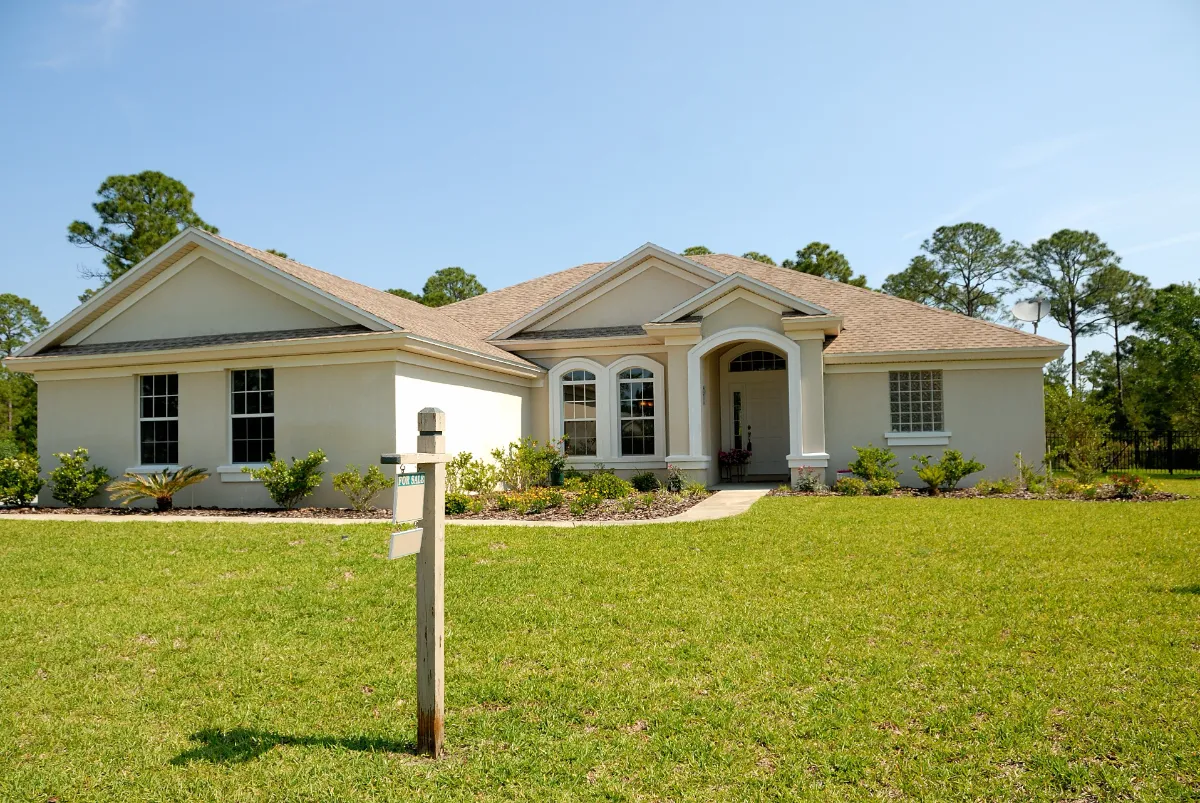
What to Know Before Buying a Home in Naples
Buying a home in Naples, Florida can look very different depending on whether you want a condo near the Gulf, a single-family home in a gated community, a golf property, a waterfront residence, or a home farther inland. Start by looking beyond the listing price. Insurance, flood exposure, HOA or condo fees, potential assessments, property taxes, maintenance, and community restrictions can materially affect the true cost of ownership.
Location also matters at a very local level. Two properties with similar prices may offer completely different lifestyles depending on beach access, boating access, community amenities, lot size, association rules, or distance from everyday services.
For buyers, the best first step is to define three things: how you will use the property, what you are comfortable spending each month, and which features are truly non-negotiable. That makes buying a property in Naples, Florida much more focused than simply browsing listings and hoping the right home appears.
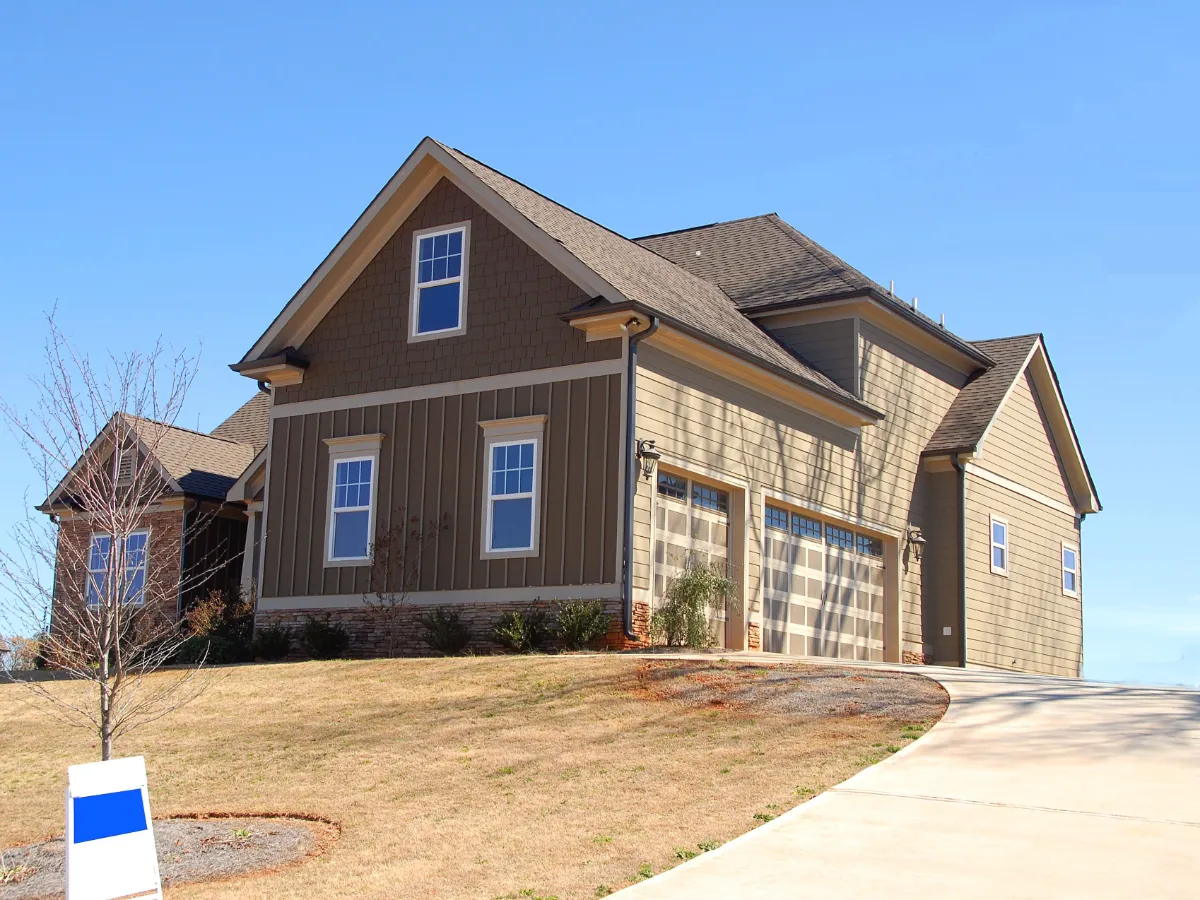
Types of Homes You Can Buy in Naples
Naples offers several distinct ways to own a home. Single-family properties range from established neighborhoods to newer gated communities. Condos can appeal to buyers who prefer lower-maintenance living, while golf communities often combine housing with club and recreational amenities.
Waterfront buyers have another set of choices, including Gulf-access properties, canal-front homes, and residences closer to the beach. Buyers looking for more land may also consider properties farther east, where larger lots and a different style of living become available. The best property type depends on how you plan to live. A seasonal buyer may value convenience and lower exterior maintenance, while a full-time resident may prioritize additional space, privacy, storage, or a larger yard.
Once you know which type fits your needs, you can browse Naples homes for sale and compare properties within a much more useful set of criteria instead of searching the entire market at once.
Explore Homes for Sale in Naples
The best way to understand your options is to see what is actually available in your preferred price range and property type. Use the live listings below to compare Naples homes, condos, and other residential properties currently offered for sale. Pay attention to more than bedrooms and square footage. Community fees, property age, location, flood information, amenities, and ownership restrictions can all influence whether a listing is the right fit.

Naples Housing Market: What Buyers Should Expect
Naples remains a market where price can vary dramatically by neighborhood, property type, proximity to the Gulf, age, condition, and community.
For useful context, NABOR MLS data published through InfoSparks reported an overall median closed price of $575,000 in August 2026, down 1.7% from a year earlier. The median closed price per square foot was $314, down 0.3% year over year. Those figures are market-wide benchmarks—not a valuation for any individual home.
For buyers, that distinction matters. A condo in Central Naples, a waterfront property, and a luxury home near the coast can behave like completely different markets.
Instead of deciding whether a property is fairly priced from a citywide median, compare it with recent sales of genuinely similar homes in the same community or immediate area. Condition, renovations, view, lot, association costs, and seller motivation can all influence negotiating room.
How to Buy a House in Naples, FL
A good buying process gives you enough structure to make decisions without rushing them.
01
Define Your Goals
Decide whether the property will be your primary residence, first home, second home, seasonal residence, or another type of purchase. Then identify your preferred lifestyle, property type, location, and must-have features.
02
Build a Realistic Budget
Your budget should account for more than the purchase price. Consider your down payment, financing, taxes, insurance, association fees, maintenance, and other recurring costs.
03
Arrange Financing or Proof of Funds
If you are financing the purchase, obtaining pre-approval before serious home shopping can help you understand your price range. Cash buyers should also be prepared to document funds when required as part of an offer.
04
Narrow Your Search
Compare communities based on how you actually plan to live. Beach proximity, boating, golf, privacy, walkability, maintenance requirements, amenities, and community restrictions may be more important than simply choosing the home with the most features.
05
Evaluate the Property and Make an Offer
Review comparable sales and the property's condition before deciding on an offer strategy. The strongest offer is not automatically the highest offer; price, financing, contingencies, deposits, and timing can all matter.
06
Complete Inspections and Due Diligence
Use the contract period carefully. Review inspections, insurance considerations, flood information, permits when appropriate, association documents, assessments, and other property-specific information.
07
Prepare for Closing
Before closing, confirm financing requirements, review final documents, complete the final walkthrough, and make sure the property is in the expected condition. A thoughtful process makes buying a house in Naples less about reacting to individual listings and more about choosing a property that works financially and practically.

Costs and Due Diligence Before You Buy
The purchase price tells only part of the story. Before committing to a property, estimate the costs you may carry after closing, including homeowners insurance, possible flood insurance, property taxes, HOA or condo fees, maintenance, and any community-specific expenses. If the Naples home will become your permanent Florida residence, you may qualify for Florida’s homestead exemption. The Florida Department of Revenue says eligible owners may reduce taxable value by as much as $50,000, with additional Save Our Homes benefits potentially applying over time. Eligibility depends on the property being your permanent residence.
Flood due diligence deserves special attention. Naples and Collier County use detailed FEMA flood maps, and flood-zone status can affect financing and insurance. Collier County’s 2024 flood map remains the current effective regulatory map, while additional proposed revisions have been moving through FEMA’s 2026 review process. Buyers should verify flood information for the individual property rather than relying only on a listing description.
Condo buyers should go further. For certain Florida condominium buildings three habitable stories or higher, state law requires Structural Integrity Reserve Studies and milestone inspections under specified conditions. Review the association’s budget, reserves, assessments, inspection records, and applicable SIRS documents before deciding what a unit will really cost to own.
First-Time and Second-Home Buyers in Naples
Naples attracts buyers with very different goals, and the right strategy depends heavily on how you plan to use the property.
First-Time Home Buying in Naples, Florida
First-time buyers should begin with the monthly cost they can comfortably carry rather than the maximum purchase price a lender may approve. Include insurance, taxes, HOA or condo fees, maintenance, and closing expenses in that calculation.
If the property will be your permanent residence and you meet Florida’s eligibility requirements, the homestead exemption may also become part of your post-purchase tax planning.
Avoid treating the inspection as the only due-diligence step. In Naples, flood information, insurance availability, association finances, community rules, and property-specific maintenance issues may be just as important.
Buying a Second Home in Naples, Florida
Second-home buyers should think about the months when they will not be in residence. Ask who will monitor the property, how storm preparation will be handled, and what ongoing maintenance will be required.
For condos and managed communities, review leasing restrictions, pet rules, guest policies, approval procedures, association fees, reserves, and potential assessments. If rental income may become part of your plan, confirm the applicable community and local rules before purchasing rather than assuming short-term or seasonal rentals will be permitted.

How to Choose the Right Area in Naples
Start with lifestyle, then narrow the map.
Buyers who want to be close to downtown dining, shopping, beaches, and the historic city core may naturally explore areas around Old Naples. Buyers focused on Gulf proximity and established coastal communities may compare areas such as the Moorings or Park Shore.
North Naples offers a broad mix of communities, condos, single-family homes, shopping, dining, and access to the wider Southwest Florida region. East Naples provides another range of residential options and convenient access toward downtown, while buyers wanting larger parcels and more separation between homes may explore areas farther east, including Golden Gate Estates.
There is no single “best” Naples neighborhood for every buyer. A better question is which area gives you the right balance of price, property type, travel time, amenities, maintenance, and lifestyle.
Visit your shortlisted areas at different times of day whenever possible. The experience of living in a community often tells you more than a listing page can.

Why Work With a Naples Real Estate Agent?
Online listings make it easy to see what is for sale. They do not always make it easy to understand what you are buying. A local agent can help you compare properties beyond the photos and asking price—looking at recent comparable sales, community differences, association costs, property condition, offer terms, and the practical issues that may affect ownership.
Local guidance can be especially useful when comparing condos, waterfront homes, gated communities, second homes, or properties where insurance and flood considerations deserve closer attention.
If you want help turning your wish list into a focused search, working with a Naples real estate agent gives you someone who can help evaluate options, coordinate the transaction, and keep the purchase moving from the first showing through closing.
Naples Home Buyer FAQs
Have questions about buying a home in Naples? These frequently asked questions cover the costs, flood insurance, condo considerations, homestead exemption, and other details buyers often want to understand before moving forward.