
Naples Investment Properties
Naples investment properties can serve different goals, from long-term rental income and seasonal use to multifamily ownership and future appreciation potential. The right opportunity depends on more than purchase price. Rental rules, operating costs, location, property type, insurance, community restrictions, and your investment timeline all matter before you buy.
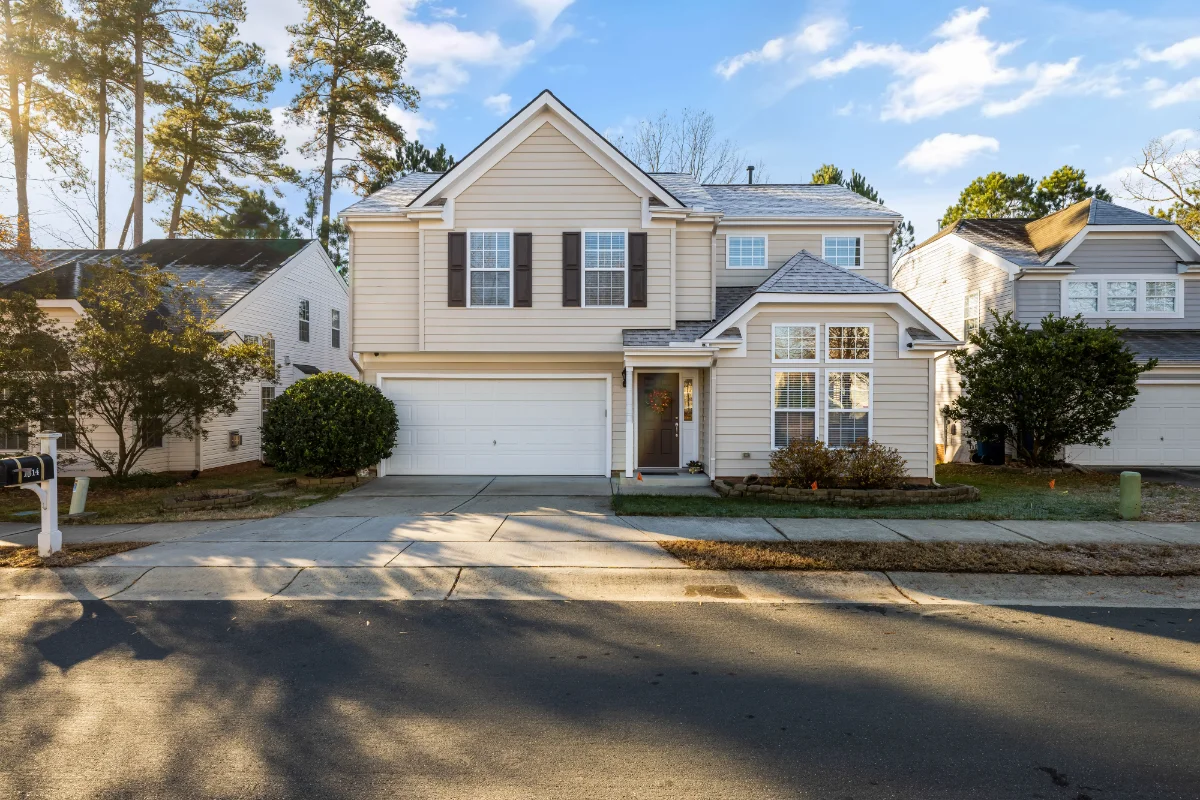
Investment Properties for Sale in Naples, FL
Investment properties for sale in Naples FL can include single-family homes, condos, duplexes, small multifamily properties, and residences that may also work as second homes or seasonal rentals where permitted.
The right property depends on your strategy. A long-term rental buyer may prioritize stable occupancy, manageable maintenance, and proximity to employment or everyday services. A seasonal investor may focus more on location, amenities, beach access, pools, walkability, and community rules. Multifamily buyers may place greater weight on income, operating expenses, condition, tenant history, and future capital needs.
Investment homes for sale in Naples Florida should be evaluated on the numbers as well as the property itself. A beautiful home is not automatically a strong investment if insurance, association fees, maintenance, rental restrictions, or vacancy reduce the expected return.
Explore Naples Investment Property Listings
Browse available properties and compare options by price, location, property type, bedrooms, community, and other features relevant to your investment strategy.
Choose the Right Investment Strategy
Naples FL real estate for investors is not a single strategy. The property should match the way you expect to own and operate it.
01
Long-Term Rental
Long-term rentals may offer more predictable tenancy and fewer turnovers. Investors should consider achievable rent, vacancy, maintenance, tenant demand, management costs, insurance, taxes, and association rules.
02
Seasonal or Vacation Rental
Seasonal demand can be attractive in Southwest Florida, but short-term rental rules, licensing, taxes, community restrictions, and management requirements can materially affect the economics.
03
Second Home With Rental Use
Some buyers want personal use for part of the year and rental income at other times. In that situation, ownership costs, permitted rental frequency, property management, furnishing, maintenance, and HOA or condo restrictions all deserve careful review.
04
Multifamily Investment
Duplexes and multifamily properties may provide multiple income streams, but investors should evaluate each unit, current leases, operating expenses, deferred maintenance, and the property's overall income potential.

What Makes a Naples Rental Property Work?
A successful rental starts with tenant or guest demand, but location is only one part of the equation. For long-term rentals, practical features such as parking, storage, functional layouts, access to employment, shopping, schools, and everyday services may influence demand.
Seasonal renters may place greater value on beach access, walkability, pools, outdoor living, waterfront settings, golf, community amenities, and proximity to dining or entertainment. Local vacation-rental operators commonly market these features because they matter to travelers comparing Naples accommodations.
Investors should also think about ownership from a management perspective. A property with attractive rental potential may still require significant landscaping, pool care, HVAC servicing, storm preparation, furnishing, cleaning, or frequent turnover. The strongest fit is usually a property whose rental appeal and operating demands align with your budget, time commitment, and management plan.
Know the Rental Rules Before You Invest
Rental rules can change substantially depending on the property’s jurisdiction and community.
For single-family homes inside the City of Naples, rental terms generally must be 30 days or longer, although the city allows a property to be rented for less than 30 days up to three times per calendar year. The city also states that the property may not be advertised as available for stays shorter than 30 days.
Unincorporated Collier County operates under a different system. County Ordinance 2021-45 requires registration of qualifying short-term vacation rentals, while properties inside the City of Naples are exempt from that county registration ordinance.
Florida licensing can also apply. DBPR states that an entire dwelling or condo generally requires a vacation-rental license when it is rented more than three times in a calendar year for stays under 30 days, or is advertised or held out for regular transient rental.
Association rules may be more restrictive than local law, so condo and HOA documents should always be reviewed before relying on projected rental income.

Understand the Taxes and Costs
Rental income should be evaluated after expenses, not from gross rent alone.
For Collier County rentals of six months or less, the county imposes a 5% Tourist Development Tax. Florida also applies a 6% state sales tax to qualifying transient accommodations, along with any other applicable taxes or surtaxes. Owners should confirm current collection and remittance responsibilities for the specific property and booking method.
- Property taxes
- Homeowners and flood insurance
- HOA or condo fees
- Property management
- Cleaning and turnover costs
- Utilities
- Pool and landscaping service
- Repairs and maintenance
- Furnishing
- Vacancy
- Capital improvements
- Financing costs

Run the Numbers Before You Buy
Naples FL investment real estate should be evaluated with realistic assumptions rather than best-case projections. Start with expected annual rental income. Then account for vacancy, management, maintenance, utilities paid by the owner, insurance, taxes, association fees, repairs, and replacement reserves.
For short-term or seasonal rentals, include cleaning, booking expenses, furnishing, utilities, licensing, taxes, and greater turnover. Investors may also compare net operating income, cash flow, cash-on-cash return, and capitalization rate where those measures are appropriate. None of these metrics should be calculated using an unusually strong rental month and treated as a full-year expectation.
Financing matters too. Interest rates, down payment, loan structure, and reserves can significantly change cash flow even when two investors purchase the same property. A conservative analysis gives you room for repairs, vacancy, and changes in market conditions instead of assuming everything will perform perfectly.

Naples Real Estate for Investors: Market Context
Naples investment decisions sit within a broader Collier County market that has continued to grow. The U.S. Census Bureau estimated the county’s population at 417,131 in July 2025, an 11.0% increase from the April 2020 estimates base.
Tourism is another meaningful part of the local economy. Official Paradise Coast research reported approximately $2.884 billion in direct visitor spending and nearly $3.987 billion in total economic impact during fiscal year 2025.
Those numbers help explain why Naples attracts interest from seasonal and vacation-oriented investors, but they do not guarantee rental occupancy, appreciation, or investment returns for an individual property. Property type, exact location, rental rules, fees, insurance, management quality, acquisition price, and operating costs still determine whether a specific investment works financially.
Condo Investment Due Diligence
Condos can appeal to investors because exterior maintenance and amenities are often handled by the association, but the association itself becomes part of the investment. Before buying, review rental restrictions, minimum lease terms, approval procedures, current fees, reserves, recent or planned special assessments, insurance, budgets, and major building projects.
Florida law also requires Structural Integrity Reserve Studies for many residential condominium buildings that are three habitable stories or higher. These studies address major components such as roofs, structural systems, plumbing, electrical systems, waterproofing, windows, and other qualifying items, and include recommended reserve funding.
For an investor, this matters because insufficient reserves, upcoming repairs, or assessments can materially change the economics of an otherwise attractive unit. Do not evaluate a condo investment from the unit alone. Review the financial and physical condition of the association as part of the property.
Compare Residential and Larger Investment Opportunities
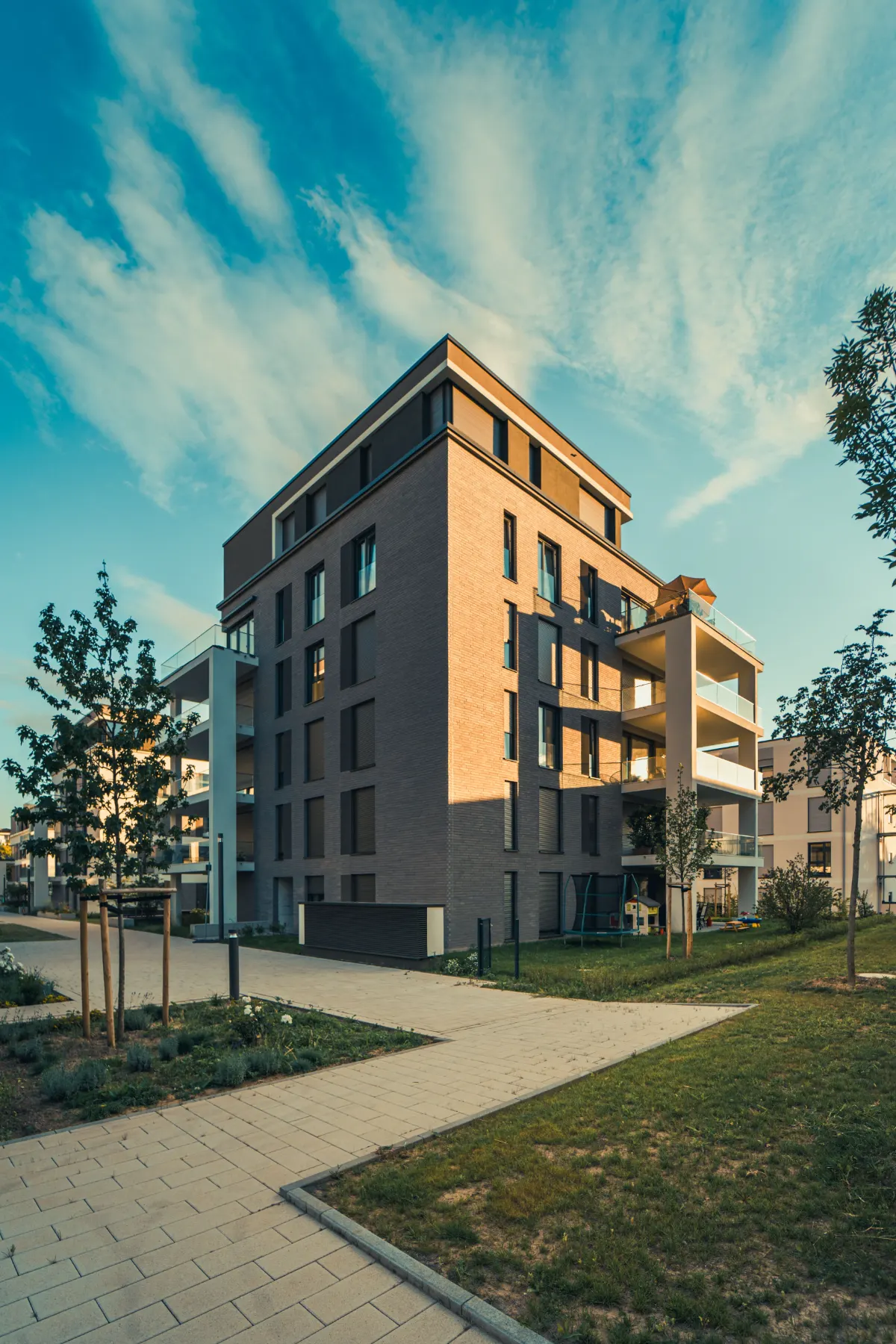
Some investors focus on a single rental home or condo. Others may prefer duplexes, multifamily assets, mixed-use opportunities, or properties with a more commercial investment profile.
Smaller residential investments can be simpler to understand and may appeal to a broader resale market. Multifamily properties can provide multiple rental streams, but often require more detailed analysis of leases, operating expenses, condition, management, and financing.
If your strategy extends into larger multifamily, income-producing, office, retail, industrial, or land opportunities, reviewing the broader Naples Florida commercial real estate market can help separate residential rental investing from commercial acquisition strategy.
Common Investment Mistakes to Avoid
- Assuming short-term rentals are allowed without checking jurisdiction and association rules
- Underestimating insurance or flood-related costs
- Ignoring condo reserves or special assessments
- Using peak-season rent as a year-round projection
- Forgetting property-management and turnover expenses
- Buying for personal preference instead of renter demand
- Assuming appreciation will compensate for weak cash flow
- Skipping professional inspections and financial due diligence

Investment Guidance From Jeannette Di Leo
Investment property decisions require both real estate knowledge and an understanding of the investor’s larger goal.
Jeannette Di Leo has worked with residential homes and investment properties as part of approximately five years in real estate. Her experience also includes about three years focused on commercial real estate, with exposure to multifamily properties, land, commercial sales and leasing, medical and professional offices, and industrial and flex space.
That broader background allows her to look at an opportunity from more than one angle—property fit, location, rental potential, ownership costs, and possible long-term use.
Her teaching background also shapes her approach. Jeannette takes time to explain options, identify questions that deserve further investigation, and help clients organize the information they need before making a decision. Learn more about her broader buyer, seller, and investment representation as a Naples Florida real estate agent.
Naples Investment Property FAQs
Have questions about Naples investment properties? These FAQs cover rental rules, taxes, property types, operating costs, condo due diligence, and the key factors investors should review before buying.